You are about to explore one of the most fascinating Ancient Egyptian sites. It’s located on the east bank of the Nile River. This temple complex was built around 1400 BCE.
This site is special because of its rich history and amazing architecture. As you explore, you’ll see how important it was back then.
Seeing this historical site is a must. It gives you a peek into the past and shows its cultural importance. With its detailed carvings and huge structures, you’ll feel like you’ve traveled back in time.
The Historical Significance of Luxor Temple
The Luxor Temple was key in ancient Egypt. It helped renew the power of kings. Many pharaohs were crowned here, showing its historical significance.
Building the temple was a huge effort. It showed the power and wealth of the pharaohs. Skilled workers built its grand design, like the big pylons and halls.
Luxor Temple was more than a place of worship. It showed the pharaohs’ right to rule. Its walls tell stories of gods and pharaohs, highlighting its importance.
Learning about Luxor Temple’s historical significance lets us see ancient Egypt’s culture. Visiting this temple connects us to a history that has amazed people for ages.
Understanding Luxor Temple Construction and Architecture
Exploring Luxor Temple reveals its complex construction and design. The ancient Egyptians’ engineering skills are on full display here.
The temple was made from sandstone from the Gebel el-Silsila area, known as Nubian sandstone. This material made the temple strong and beautiful. It also allowed for detailed carvings and hieroglyphs on the walls.
Luxor Temple’s architecture is grand and well-aligned. It shows the site’s religious and symbolic importance. The design includes elements from ancient Egyptian myths and the universe.
The ancient Egyptians used copper and stone tools to build the temple. These tools were simple but effective. The temple’s construction shows the ancient Egyptians’ advanced craftsmanship.
Learning about Luxor Temple’s construction and design deepens our appreciation for it. It’s a mix of engineering, art, and religious symbols. This makes Luxor Temple a unique and fascinating place.
Planning Your Visit to Luxor Temple
Planning your visit to Luxor Temple means learning about its rich history. It’s a place of worship today, making it special.
Knowing the temple’s current use is key. It’s not just old; it’s alive in Luxor’s culture. This mix of old and new makes visiting Luxor Temple very rewarding.
Check the temple’s hours and any events or ceremonies. These can make your visit even better. They show the temple’s ongoing importance.
Visiting Luxor Temple lets you see where history and faith meet. By knowing its background, you’ll appreciate its design, symbols, and role in the community more.
How to Get to Luxor Temple
Getting to Luxor Temple is part of the fun. You can reach this ancient site in many ways. It’s on the east bank of the Nile River in Luxor, making it easy to get to.
By Air: The closest airport is Luxor International Airport. It gets flights from big Egyptian cities and some places abroad. After landing, you can take a taxi or book a private ride to the temple.
By Road: Luxor is connected by road. You can drive or take a bus to the temple. If you’re coming from places like Hurghada or Aswan, driving or taking a bus tour is a good choice.
On Foot or by Taxi: If you’re already in Luxor city, the temple is close to many hotels. You can walk or take a short taxi ride. Always agree on the fare first.
Knowing how to get to Luxor Temple helps plan your visit better. This way, you’ll enjoy exploring this amazing historical site more.
Essential Preparation for Your Visit
To enjoy your visit to Luxor Temple, knowing its history is key. The temple in Luxor, Egypt, was built by Amenhotep III in the 14th century BC.
It’s important to remember that many rulers worked on the temple. Tutankhamun and Horemheb helped finish it. Rameses II also added to it. Their work makes the temple’s story richer.
Learning about these pharaohs will make your visit better. You’ll see the temple’s beauty and its ancient symbols in a new light. The temple’s history is layered, with each ruler adding something special.
Knowing the temple’s history will make your visit more meaningful. It won’t just be seeing old buildings. It will be a journey through Egypt’s past.
Before you go to Luxor Temple, learn about its layout and importance. This preparation will make your visit fun and educational.
Navigating Entrance Procedures and Tickets
Planning your visit to Luxor Temple? Knowing the entrance procedures and how to buy tickets is key. This will make your trip better.
When you get there, you’ll need to buy tickets to get in. You can buy them at the site. It’s smart to have cash because not all places take cards. The ticket lets you see the main parts, like the hypostyle hall and the Abu Haggag Mosque.
The Abu Haggag Mosque is a big part of the temple. It’s a working mosque that’s been kept in great shape. Visitors should dress modestly and be quiet when near the mosque.
Arrive early to miss the big crowds that come later. Knowing the entrance procedures and having your tickets ready will make your visit amazing.
Step-by-Step Tour of Luxor Temple
Your visit to Luxor Temple is like stepping back in time. You’ll see the beauty of ancient Egyptian architecture and culture. Walking through, you’ll feel the rich history and mystery of this ancient place.
History and Significance of the Sphinx Avenue
The Sphinx Avenue, also called the Avenue of Sphinxes, links Luxor Temple to Karnak Temple. It was used for the Opet Festival, a key event in ancient Egyptian religion. Walking here, you follow the path of pharaohs and priests who performed sacred rituals.
How to Appreciate the Recent Excavations
New discoveries around Luxor Temple have shed light on its past. As you explore, look for areas that have been recently uncovered. These excavations reveal new insights and deepen our understanding of the temple’s importance.
Identifying Key Features and Reliefs
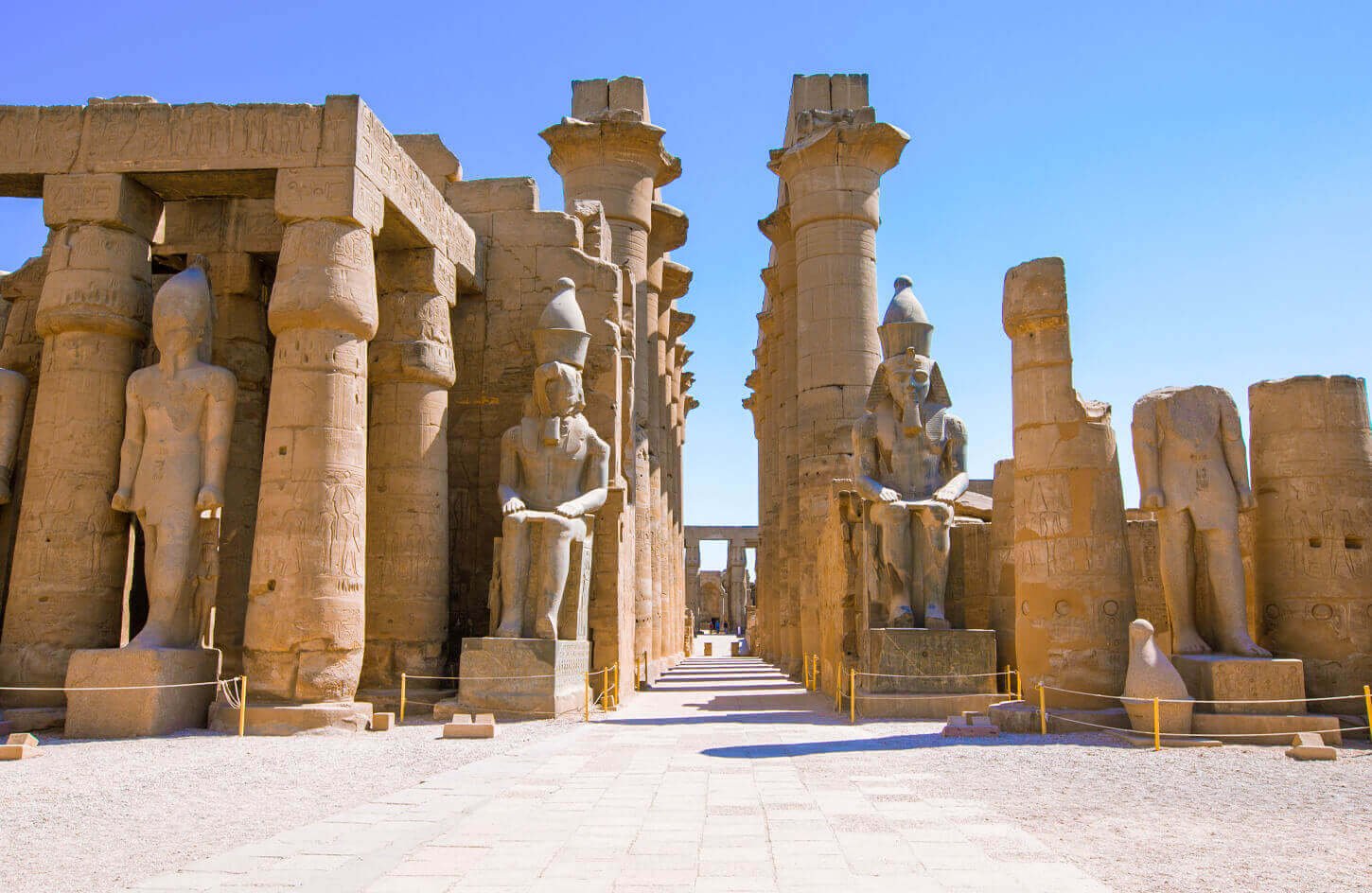
Look closely at the reliefs and hieroglyphs on the walls. They show scenes from ancient Egyptian myths and the pharaohs who built the temple. Notice the big stone columns and statues of gods and pharaohs.
Understanding the Historical Context
Luxor Temple was built during Pharaoh Amenhotep III’s reign. Ramses II later added to it. Knowing when and why it was built helps us appreciate its beauty and importance.
Architectural Highlights to Notice
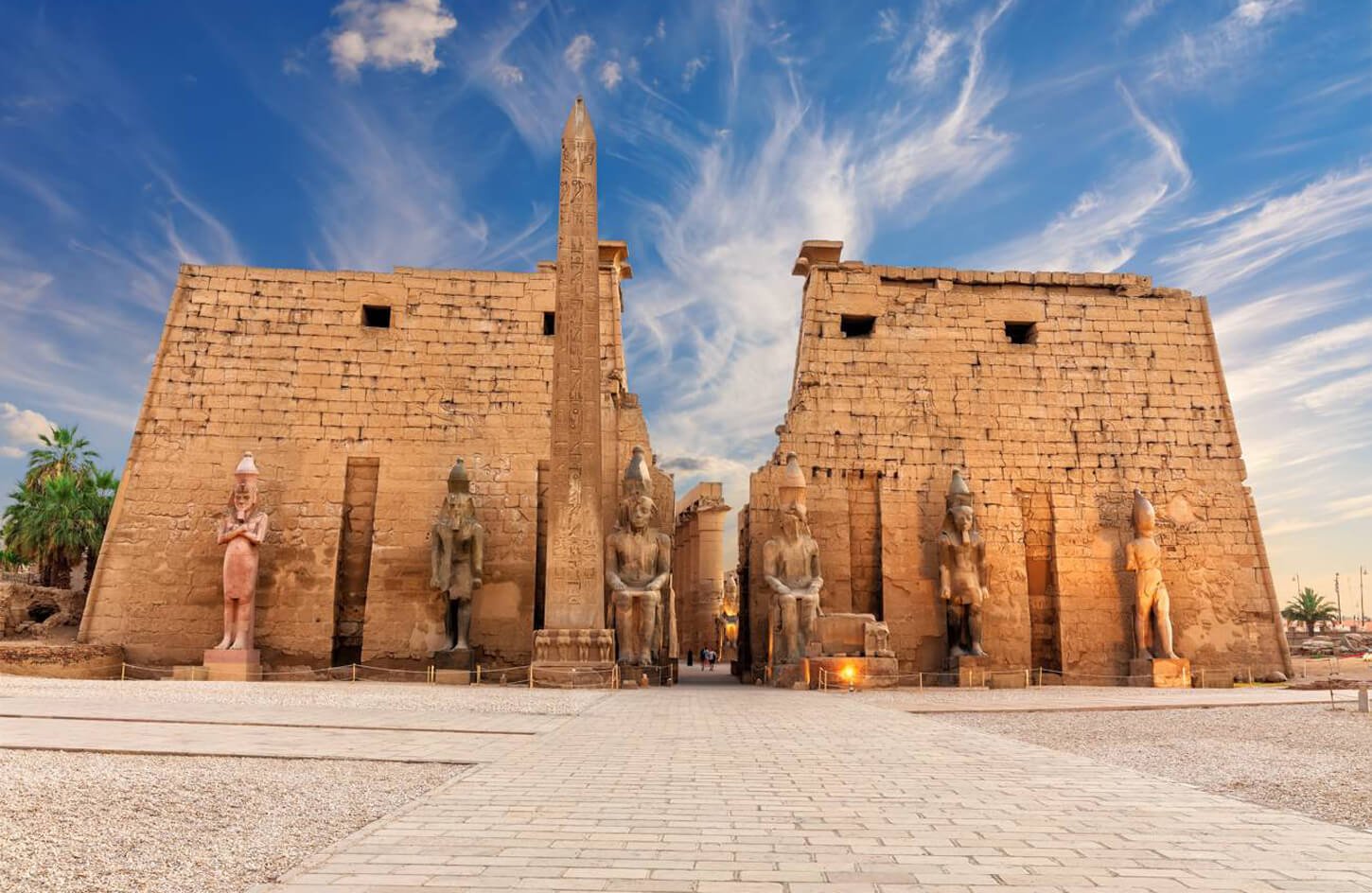
The temple’s architecture shows the ancient Egyptians’ engineering skills. Look at the massive pylons at the entrance, the hypostyle halls, and the sanctuaries. Each part adds to the temple’s grandeur.

Photography Tips for This Section
Getting great photos of Luxor Temple takes some planning. Visit in the early morning or late afternoon for softer light. Use a tripod for better shots in low light. Capture the details, like carvings and statues, and the light and shadow inside.
Navigating the Birth Room and Sanctuary
The Birth Room and Sanctuary are sacred parts of Luxor Temple. As you explore, admire the delicate carvings and their religious meaning. The Birth Room shows the divine birth of pharaohs.
Finding Hidden Details Often Missed by Visitors
Many visitors focus on the main sights, but there are hidden gems. Take your time to explore less visited areas. You might find unique hieroglyphs or reliefs that show daily life and rituals of ancient Egyptians.
How to Interpret the Hieroglyphs and Reliefs
Understanding the hieroglyphs and reliefs at Luxor Temple is key. As you explore, you’ll see symbols and images telling ancient Egypt’s story.
The wall reliefs were covered with plaster and painted in the Graeco-Roman style. This makes Luxor Temple unique among ancient Egyptian sites. These reliefs show mythological stories and historical events, giving us a peek into the culture and beliefs of the time.
To understand the hieroglyphs, remember they were not just for looks. They carried important messages and stories. By studying these symbols, you can learn more about the temple’s significance and the civilization that built it.
As you walk through the temple, take your time to look at the hieroglyphs and reliefs carefully. Notice the details and the stories they tell. This will make your visit more meaningful and connect you deeper to Luxor Temple’s history and culture.
Experiencing Luxor Temple at Night
When night falls, Luxor Temple turns into a light and shadow show. It shows a new side of its ancient beauty. The nighttime here is truly special, with the temple lit up against the sky.
Walking through the temple feels serene and mystical. The lights make the temple’s grandeur stand out. The nighttime lights highlight the temple’s details, perfect for photos.
Visiting at night means fewer people. You get a closer, more personal feel of the ancient history. You can explore at your own pace, soaking in the site’s spiritual and historical value.
Arrive early to see the temple’s beauty come alive with lights. This way, you can watch as the temple’s beauty slowly reveals itself.
How to Interact with Guides, Vendors, and Locals
To enjoy your visit to Luxor Temple, it’s key to know how to talk to guides, vendors, and locals. They add a lot to your experience. They share stories about the temple’s history and culture.
When you talk to local guides, be kind and open. They can tell you a lot about the temple. Ask them questions and show you care about what they know. This makes your visit better and builds a good connection.
Dealing with vendors requires politeness, even if you don’t want to buy anything. Saying “no thank you” or smiling helps keep things friendly. These people are part of the community. Being respectful to them matters a lot.
Conclusion: Embracing the Magic of Luxor Temple
As you finish your trip to Luxor Temple, you feel a deep respect for ancient Egypt. This amazing place shows the skill and creativity of people long ago. You now understand the temple’s history, design, and cultural value.
Your visit to Luxor Temple is more than seeing sights. It’s a chance to connect with the past and see Egypt’s lasting legacy. Thinking about your time there, you’ll see the temple’s magic still with you, making your travel memories special.
Luxor Temple draws visitors from everywhere, and now you’re one of them. Your visit ends, but your love for this ancient site’s history, culture, and beauty has just started.